Another rhythm, another way to shed light on a situation.
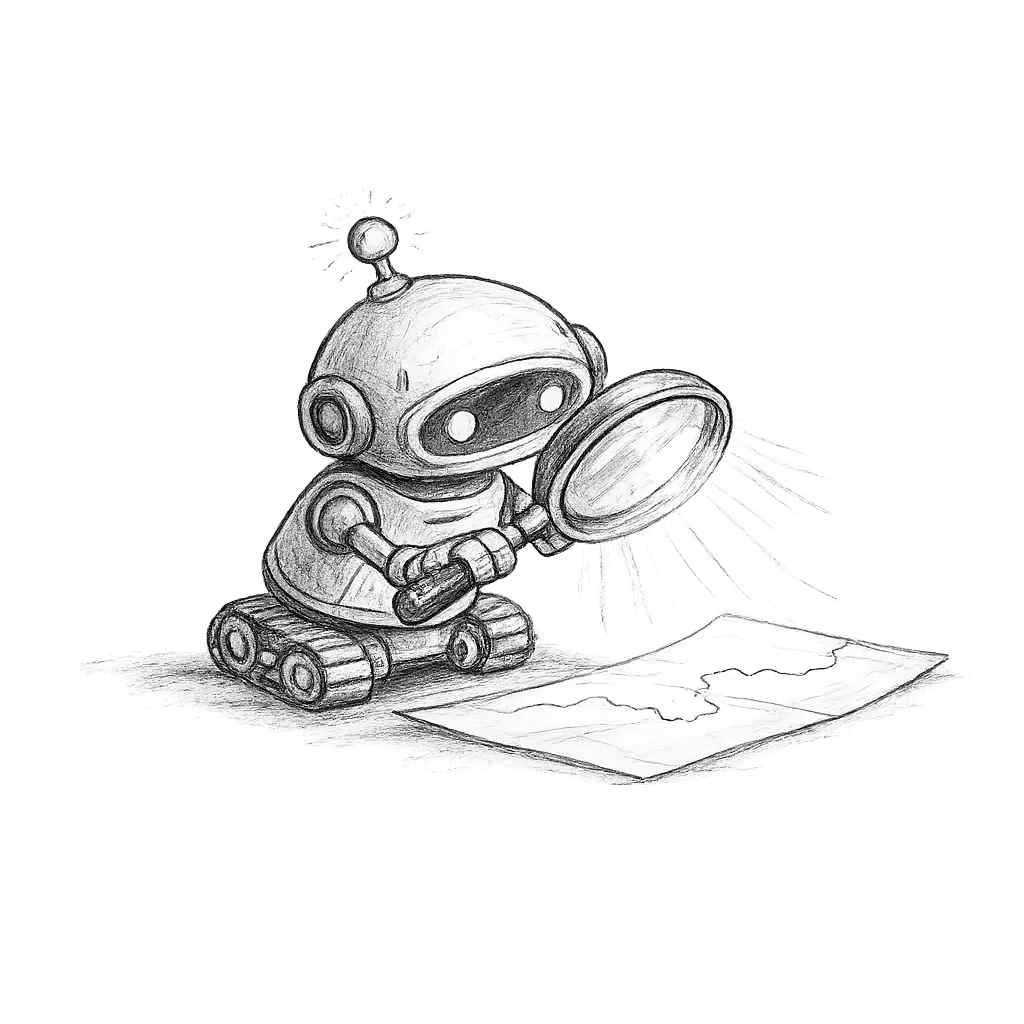
Why offer a chatbot, when my work is based above all on presence, exchange, and relationship?
The answer is simple.
Because some situations do not necessarily require an appointment.
They mainly require a space.
A space to put down what keeps going round in circles.
A space to look differently, without pressure, without a schedule, without an immediate
relational stake.
A space to clarify, before the situation becomes unnecessarily loaded.
The chatbot was born from that need.
It is not a shortcut, nor a “downgraded” version of my work.
It is another format, suited to people who like to move at their own pace, return to a
situation several times, and let a question mature before cutting it short.
It is tempting to think: “Why not just use ChatGPT, Gemini, or another tool of the same kind?”
These tools are powerful. They can do many things.
They are designed to answer, suggest, explain, and multiply possible directions.
This chatbot does not try to do “more”.
It tries to do what is right.
It does not change posture depending on the request.
It does not switch between expert, coach, or advisor.
It does not produce solutions, plans, or recommendations.
It deliberately maintains a narrow frame:
working on the relationship between you and a specific situation, until it becomes more
readable, in writing and, depending on available features, in voice mode.
Fewer options.
Less noise.
More clarity.
This is not a matter of technology.
It is a matter of frame.
It is not about doing more, but about doing what is right.
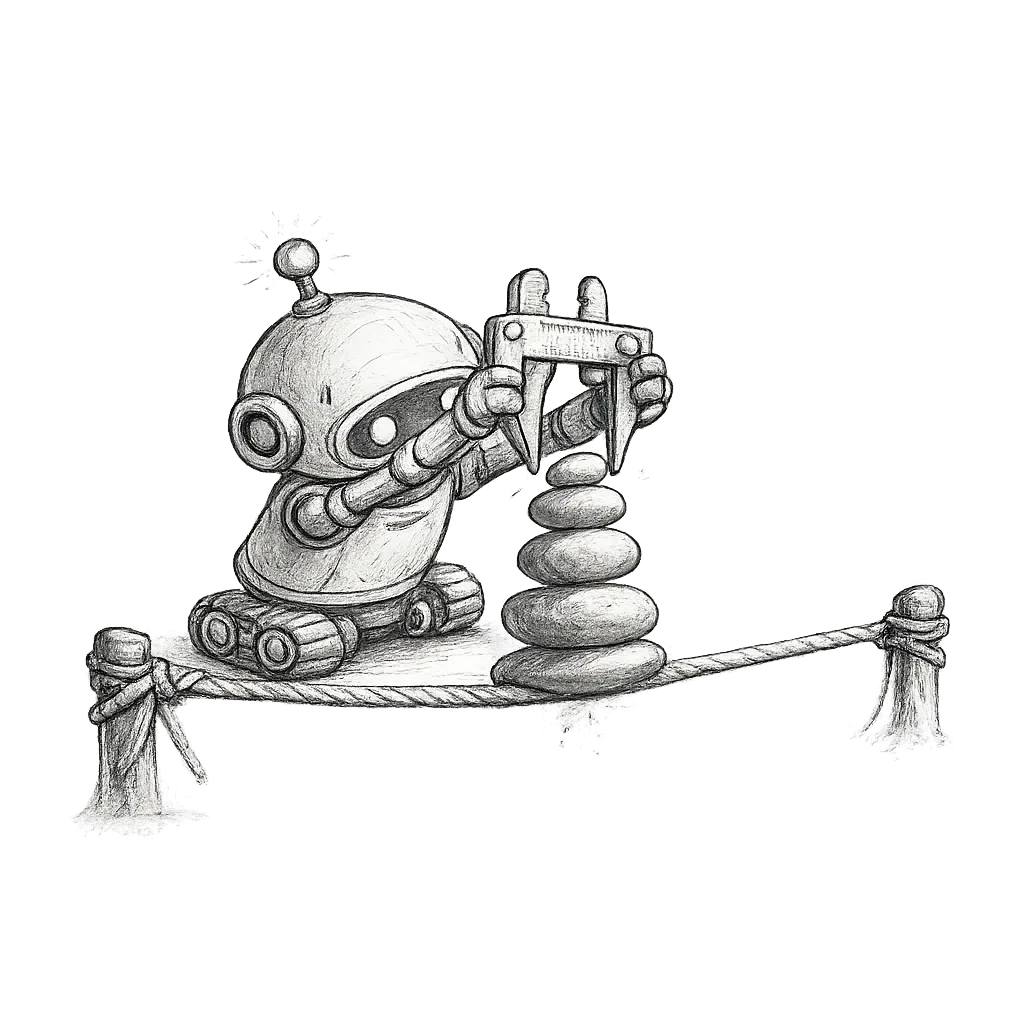
Not everything requires an immediate answer.
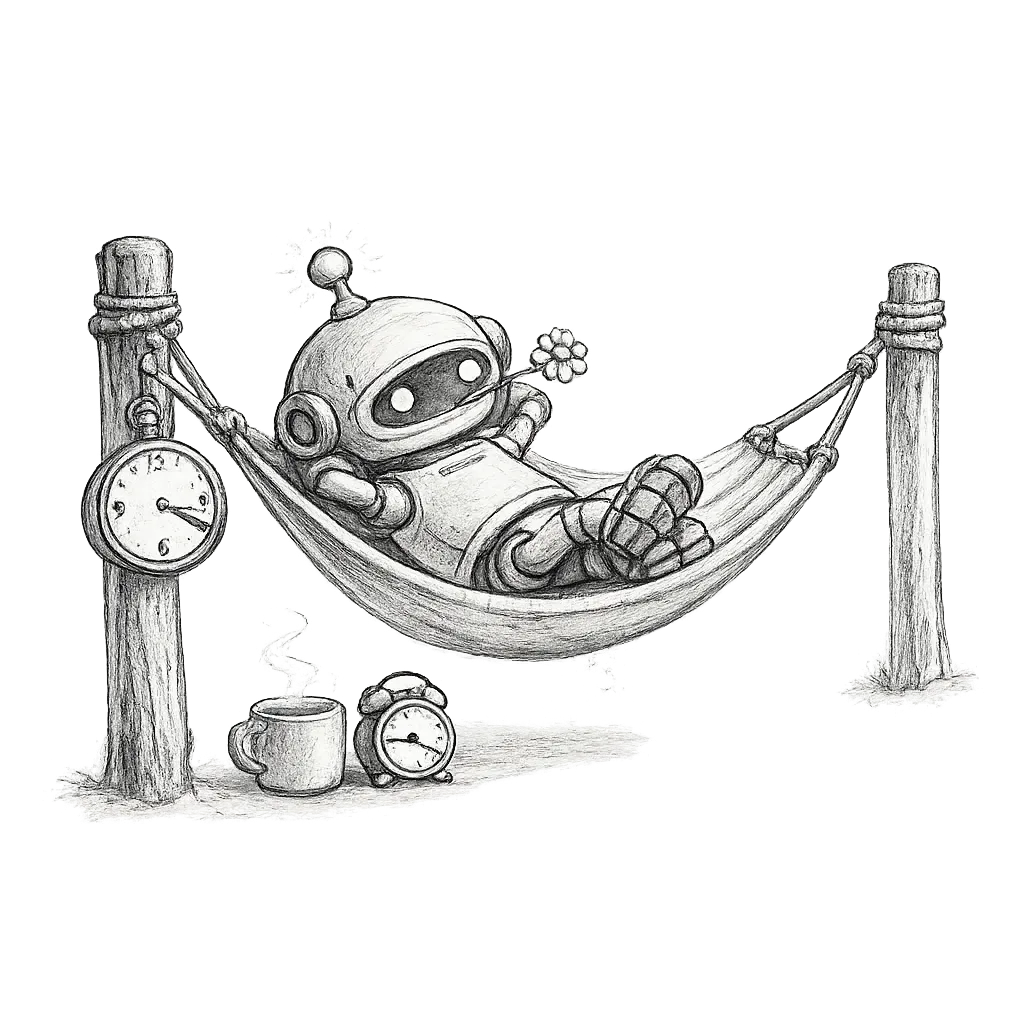
The working frame is the same.
The posture is the same.
But human presence changes everything.
An appointment allows for a finer reading of what is happening in the moment:
silences, hesitations, tensions barely put into words.
It is often more appropriate when the situation is sensitive, loaded, or consequential.
The chatbot offers something else.
Autonomy.
Time.
Flexibility.
It allows you to work when the question appears, not when a time slot is available.
To pause, come back, reformulate, without having to “make good use” of a fixed amount of
time.
Many people use the chatbot to prepare for an appointment, or to continue working between
two sessions.
Others use it as a punctual space for clarification, when a situation begins to blur.
It does not replace the human relationship.
Even when used in voice mode, it only complements it, when that is appropriate.
The chatbot works with credits based on actual use.
Not to restrict,
but to preserve the quality of the work.
Using the chatbot consumes credits according to the actual use of the service.
In text mode, consumption depends in particular on the response produced. In voice mode, depending on available features, additional consumption may apply based on real-time audio use and transcription.
This frame invites a conscious, attentive, respectful use of what is at stake. It avoids chatter, accumulation, and wandering.
Here, we do not speak just to speak.
We speak to see more clearly.
When the situation calls for a more structured frame, the menu option Enrich the guidance allows you to enter into a finer analysis. It is not about adding volume, but about refining the reading. The form associated with the conversation helps isolate what truly matters, so that the following exchanges can gain in precision.
In short, this chatbot is neither a gadget nor a generic assistant. It is an autonomous clarity tool, designed for those who sense that a slight shift in perspective can sometimes change a great deal.
For the rest — practical questions, concrete uses, limits — the FAQ below goes into more detail.
A frame set so that clarity can emerge.
Questions are part of the path.
It is for people who feel that a situation deserves to be clarified, without necessarily needing — or wanting — an immediate appointment.
It is particularly suited to you if you like to reflect for yourself, take your time, return to a question several times, and move forward at your own pace.
No.
It replaces neither human presence nor the finesse of an appointment.
The chatbot is an autonomous space for clarification, available in
writing and, depending on available features, in voice mode.
An appointment remains more appropriate when the situation is sensitive, loaded, or
consequential.
The two formats are often used in a complementary way.
Because the work is not about “doing it for you”, but about making the situation readable enough for your decisions — if they come — to be right and sustainable.
The chatbot works on the way you look at the situation, not on prescription.
Yes, but “Enrich the guidance” allows you to enter immediately into a more structured frame. The form helps lay out the context, the stakes, and your current position clearly, without going through a succession of exploratory questions in the chat.
In many cases, starting a new conversation with this step is equivalent to several successive exchanges. What would gradually be clarified over the course of messages is set out from the start with greater precision.
It is not mandatory. But when the situation is complex, diffuse, or repetitive, it is often more effective to begin there.
The generated report then becomes a stable point of support for the rest of the work.
Credits correspond to actual interaction with the chatbot.
In text mode, credits are consumed when the chatbot responds. If you pause, reflect, or are interrupted, no credit is used.
In voice mode, depending on available features, additional consumption may apply based on real-time audio use and transcription.
Each response consumes a number of credits proportional to its content:
You can use your credits freely, across one or several conversations, at your own pace.
Because this chatbot is not designed for generic or unlimited use.
You are not paying for “an AI”, but for a precise working frame, designed to foster clarity rather than an accumulation of answers.
The conversation simply stops.
You can resume later by adding credits, without losing your work if you wish.
That is often a good indication.
The chatbot can help you sense that.
An appointment then allows you to go further, with human presence and a more committed
frame.
There are two possibilities:
Once the window is open, you can start writing and, depending on available features, use voice mode.